Packaging and closures
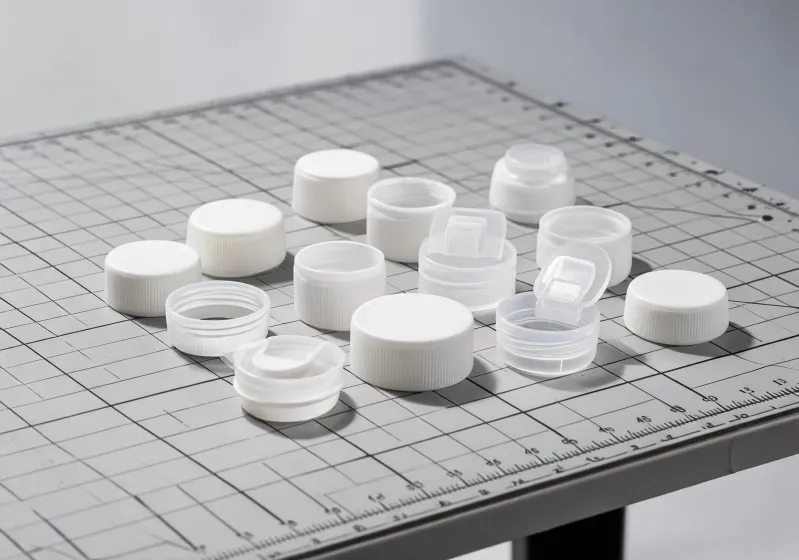
Ask whether the line needs impact copolymer or a homopolymer that the plant already runs. Food-contact files, if required, name the grade and lot. Confirm wall thickness on the drawing before ordering.
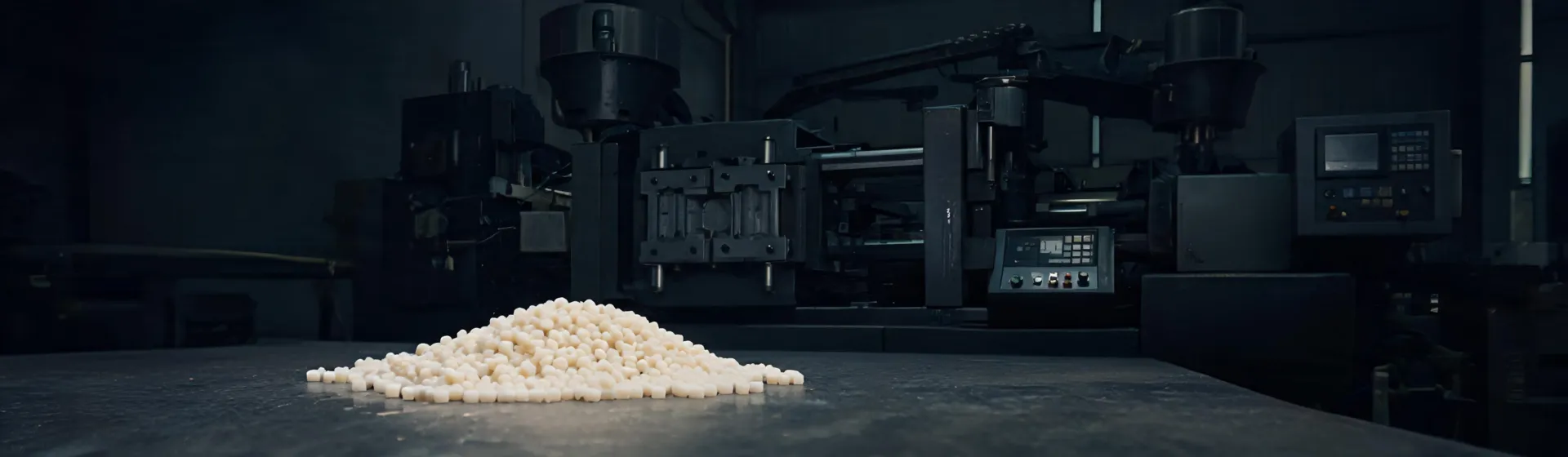
Translate the installation or project into purchase requirements for copolymer polypropylene resins, not into a promised impact or cycle-time result. Color and additive package still decide whether a plant can answer. Polypropylene Resin Sourcing does not certify a part on the floor.
Ask whether the line needs impact copolymer or a homopolymer that the plant already runs. Food-contact files, if required, name the grade and lot. Confirm wall thickness on the drawing before ordering.
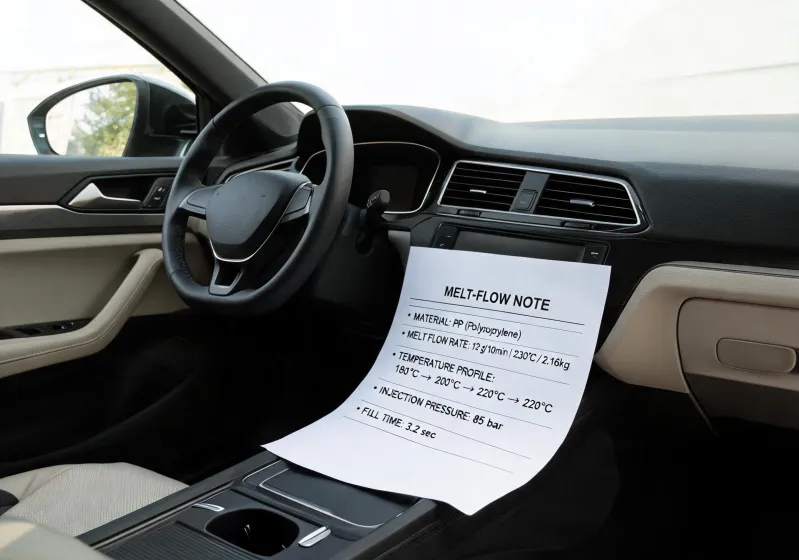
Impact, HDT and UV package are questions. IATF or PPAP files belong to the quoted item. A plant certificate is not a PPAP. Confirm the color chip on site before a production lot.
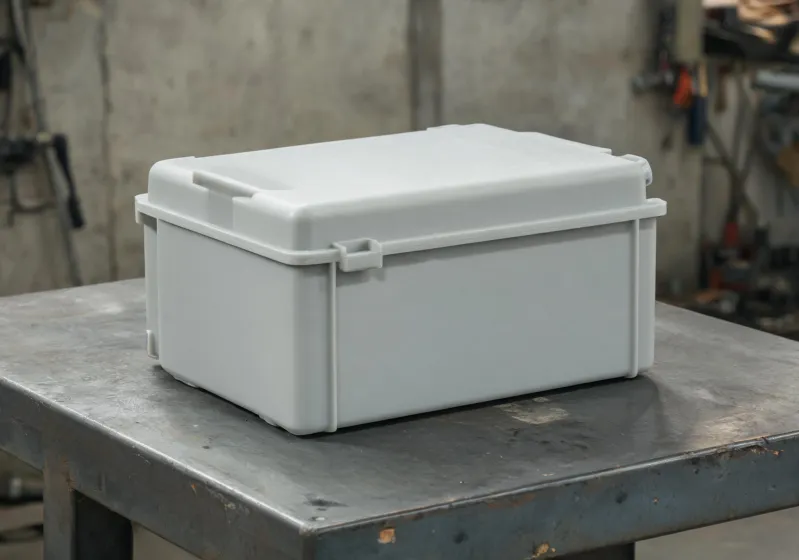
Flame rating (UL 94 HB versus V-2) is a file request, not a desk guarantee. Confirm temperature at the enclosure and whether a filled grade is actually needed.
These counters are process steps. They are not factory capacity or customer counts.
Medical, infant-formula or high-spec electrical teams still ask for virgin or chemically recycled resin because PCR streams can vary in MFI and NIAS. That is a receiving-plant rule, not a marketing preference.
Some packaging lines drop in 25–50% PCR PET or HDPE. For polypropylene resin the factory has to say whether the quoted lot is virgin, leftover or recycled-content. Those are different goods.